
Maintenance & Repairs
Keeping a bow and arrows in shape without a pro shop on speed dial. Simple fixes, step by step.
// Overview
Simple bow and arrow care you can do at home
A little maintenance keeps your bow safe, quiet and accurate for years. Most of it takes minutes and needs no special tools. This page covers the jobs you can do yourself.
The string needs the most attention: wax it about every 2–3 weeks and watch for the signs it needs replacing. Arrows need a quick crack check before every session.
And between sessions, store your recurve somewhere dry.
Free printable
Bow maintenance card
A one-page printable with every check, how often, and what to look for. Tape it inside your bow case. It’s a page of the free range log.
// All posts
Everything in Maintenance & Repairs
Showing all 5 posts, newest firstShowing 5 posts for crossbow shooters, newest first
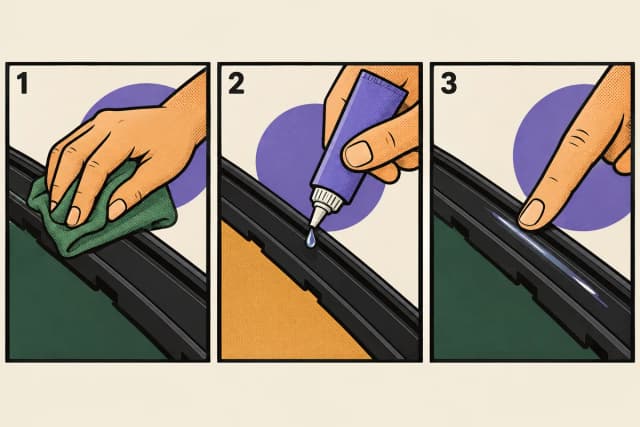
- How to Lube Your Crossbow Rail in 5 Steps, and What Never to UseCrossbow makers’ rail lube advice ranges from every 5 shots to every 100, which is why a quick finger test beats counting. How to apply rail lube in 5 steps, what to use, the 4 products that never go on a rail, and the mistakes that wear out a serving.
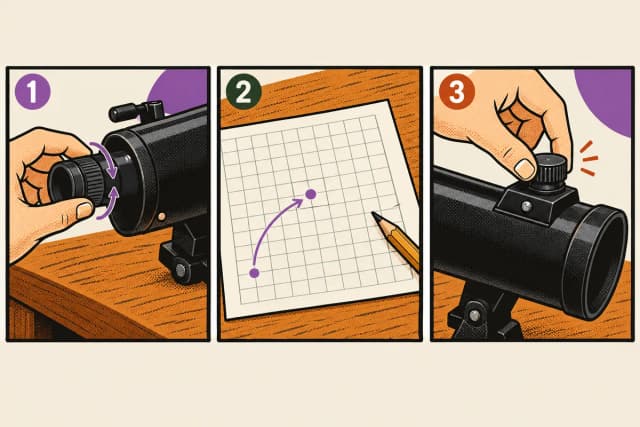
- How to Sight In a Crossbow Scope in 7 Steps, Zeroed at 20 YardsAn aiming error you can barely see at 20 yards doubles by 40. Align a crossbow scope in 7 steps: a 10-yard check, a 20-yard zero from a solid rest, how many clicks really move the bolt, and the speed-dial fix for long shots.
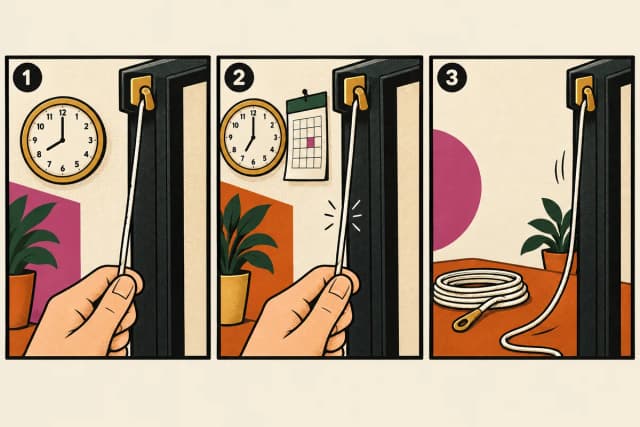
- How Long Can a Crossbow Stay Cocked? 8–24 Hour Limits by BrandLeave a crossbow cocked too long and the string and cables stretch, costing speed and accuracy. See the 8- and 24-hour limits Ravin and TenPoint publish, why overnight is a no, and 4 safe ways to uncock without a dry fire.
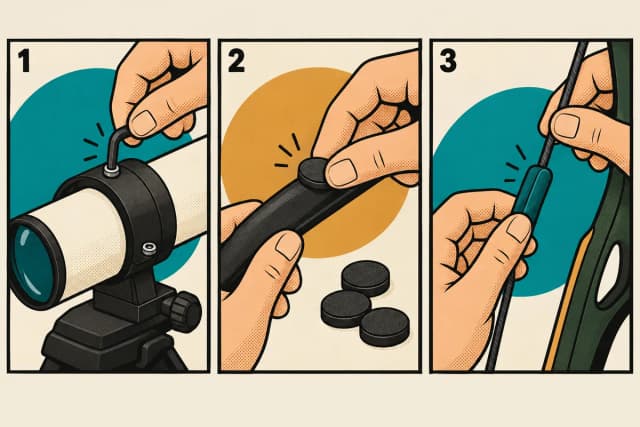
- 10 Ways to Quiet a Loud Crossbow Before Deer SeasonA 4 dB drop came from one change in a crossbow noise test: a heavier bolt. Here are 10 ways to quiet your crossbow, from tightening screws and adding string stops to silent safety habits, so a deer never hears the shot coming.
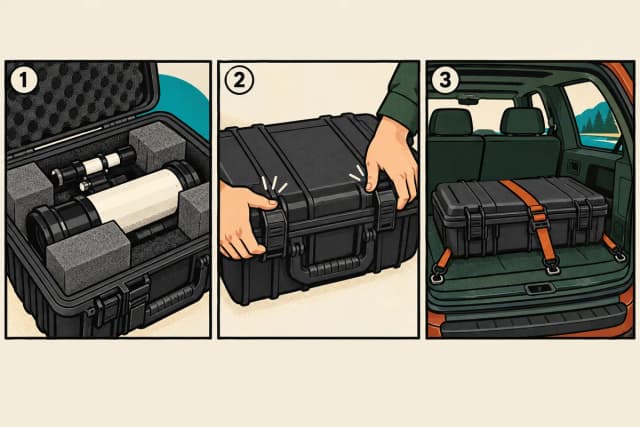
- How to Transport a Crossbow Safely: 10 Tips for Cars, ATVs and PlanesA loose or cocked crossbow can crack a limb, lose its zero or break your state's law on the way to the woods. Here are 10 transport tips, from uncocking and cases to ATVs and checked baggage, plus 3 state rules to know.
No recurve posts in Maintenance & Repairs yet. Newsletter readers hear about new ones first.
No longbow posts in Maintenance & Repairs yet. Newsletter readers hear about new ones first.
No compound posts in Maintenance & Repairs yet. Newsletter readers hear about new ones first.
// FAQ
Questions I get a lot
Short answers to what beginners ask me about maintenance & repairs.
How often should I wax my bowstring?
About every 2–3 weeks, or more often if you shoot a lot or in dry conditions.
How do I know an arrow is unsafe?
Flex it gently and listen. Any crack, splinter or crunching sound means retire it. A cracked carbon arrow can shatter on release.
Should I leave my recurve strung?
Many archers unstring between sessions; check your bow’s manual.
Can I fix a cracked limb?
No. A cracked limb can fail at full draw. Replace it, and stop shooting the bow until you do.
Do I need special tools?
A bow stringer, string wax and a bow square cover most of it. A fletching jig is the next thing worth buying.
When should I replace my bowstring?
When you see fraying, separated serving, or brace height that keeps dropping. Usually every one to two years.
How do I check arrows for cracks?
Flex each arrow gently near your ear and listen for crackling. Retire any that crunch.

// Follow
Follow the ride on Instagram.
// Free printable
Get the range log I actually use.
Seventeen printable pages: session log, score tracker, a 30-day drill challenge, a bow maintenance card, a first-season checklist and more. Join the monthly email and it lands right away.