Archery & Techniques
Form, aiming and the drills I use at the range, plus the mistakes that cost the most shots.
// Overview
Better form, one range session at a time
Good technique is what turns a pile of arrows into a tight group. Gear helps, but form comes first. This page lays it out in the order I’d learn it again.
Start with your body. Your stance decides your balance, and eye dominance decides which hand you should even shoot with. Then work on the part that tightens groups most: a consistent anchor point.
Once those feel natural, aiming gets easier. Without a sight, you’ll aim by instinct, by gap shooting or by point-of-aim. And when something goes wrong, it’s usually the release or the follow-through, which is what the blank-bale drill is for.
Free printable
A free range log for every session
A printable page for logging arrows, groups and form notes. Spot patterns before they become habits. It’s a page of the free range log.
// All posts
Everything in Archery & Techniques
Showing all 11 posts, newest firstShowing 3 posts for recurve shooters, newest firstShowing 3 posts for longbow shooters, newest firstShowing 3 posts for compound shooters, newest firstShowing 8 posts for crossbow shooters, newest first
- Archery Anchor Point: 4 Anchors by Bow Type and a 5-Step DrillArrows that land high, then low, almost always mean an anchor that moves. Pick from 4 proven anchors by bow type, press in firmly, add a second reference point and build it in 5 steps on a blank bale, plus a table of anchor fixes.
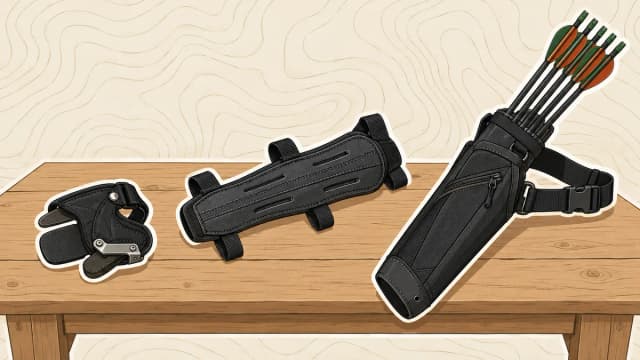
- Archery Stance Basics: Set Your Feet in 5 Steps for Tighter GroupsArrows scattering left and right often start at your feet, not your fingers. Set up a square stance in 5 steps, find your natural point of aim with one eyes-closed test, and mark your feet so every shot starts from the same spot.
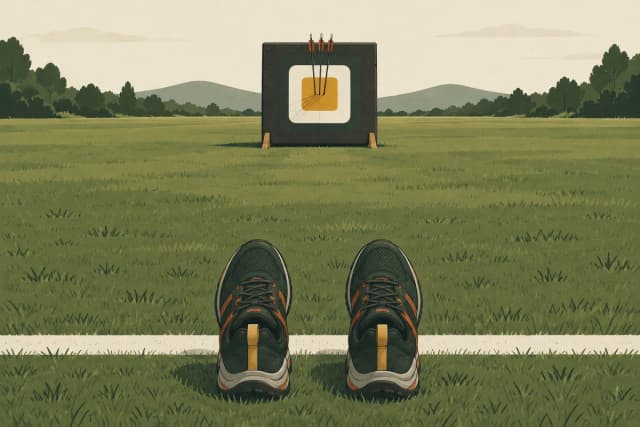
- How to Improve Your Crossbow Accuracy: 10 Causes and Their FixesA string cocked just 1/16 inch off center can push a bolt several inches left or right. Here are 10 causes of bad crossbow groups, matched to the pattern you see on the target and the fix for each, plus the numbered-bolt test that finds a bad bolt.
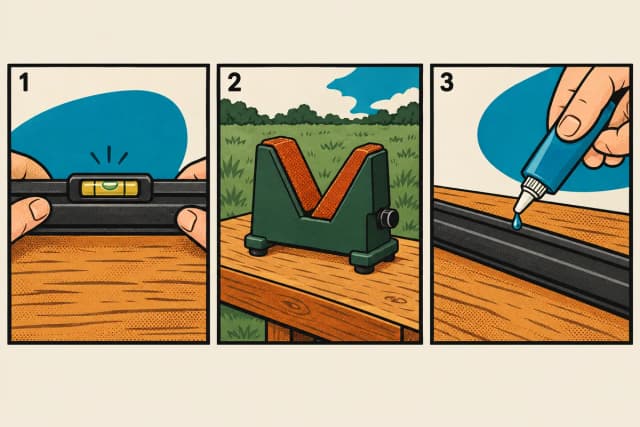
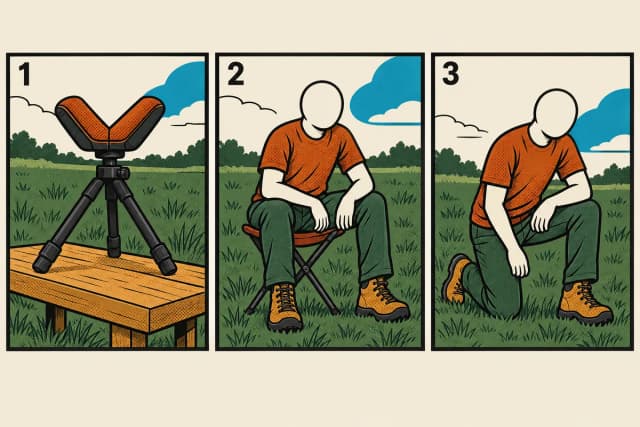
- 5 Crossbow Shooting Positions, Ranked From Bench to StandingCrossbows are heavy to hold on target, and the crosshair wanders more the longer you hold one up. Here are 5 crossbow shooting positions ranked from steadiest to shakiest, how to set up each, and the limb-clearance check to make before every shot.
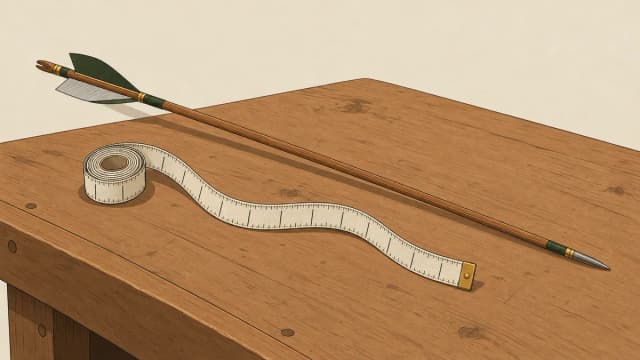
- How to Measure Your Draw Length at Home in 3 StepsArm span divided by 2.5 gives a solid first estimate of draw length, and that one number sets draw weight, arrow length and anchor. Measure it in 3 steps, confirm it at full draw, and spot the 4 signs a bow doesn’t fit you.
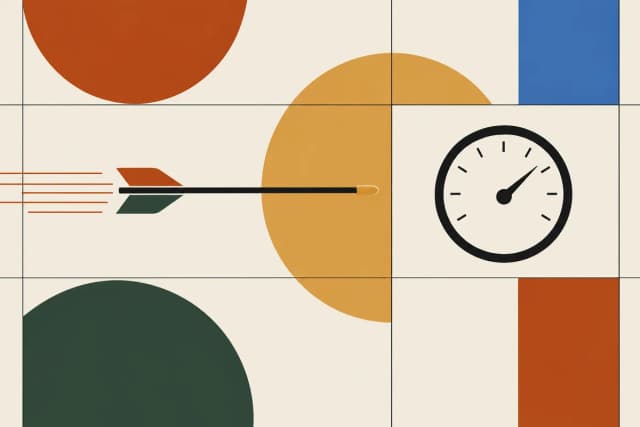
- How Fast Is a Crossbow Bolt? 300–500 FPS in MPH and EnergyA crossbow bolt flies about 300–500 fps, up to roughly 340 mph, and even the slow end has plenty of energy for deer. See speeds by class in fps and mph, the 3 factors that set bolt speed, and when paying for more speed is worth it.
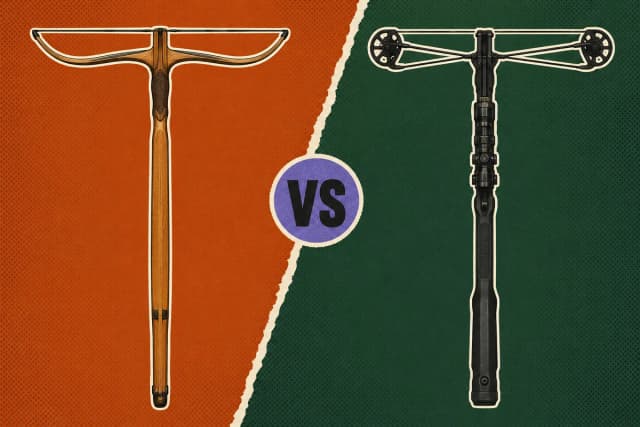
- The 7 Types of Crossbows and Which One Fits YouRecurve, compound or reverse draw? Pick the wrong crossbow type and it’s too wide for your blind or not even legal for deer. Here are 7 types of crossbows explained, with a comparison table and which one suits a first deer season.
- Where to Mount a Crossbow Quiver: Bottom, Side or Top for BalanceMount a crossbow quiver in the wrong spot and the bow rolls in your hands or snags every branch. Compare 3 mounting positions for balance, stealth and quick access, then follow 5 install steps that keep the quiver tight.
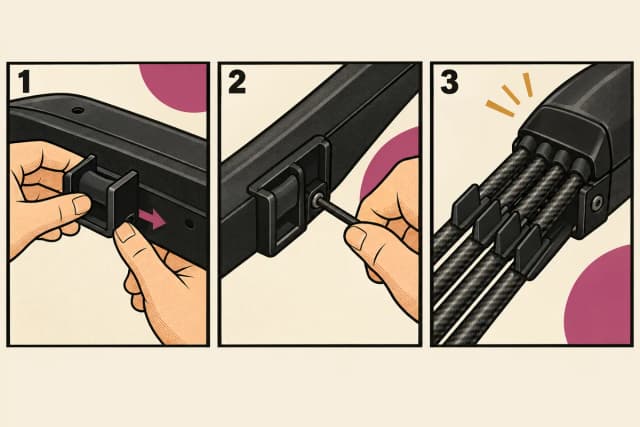
- Can You Spray Paint a Crossbow? Yes, in 6 Steps With Flexible PaintYes, a crossbow stock can take spray paint, if the paint flexes with plastic and stays off the string and rail. Here are 6 prep-and-paint steps, the coat and cure times to follow and the parts you should never paint.
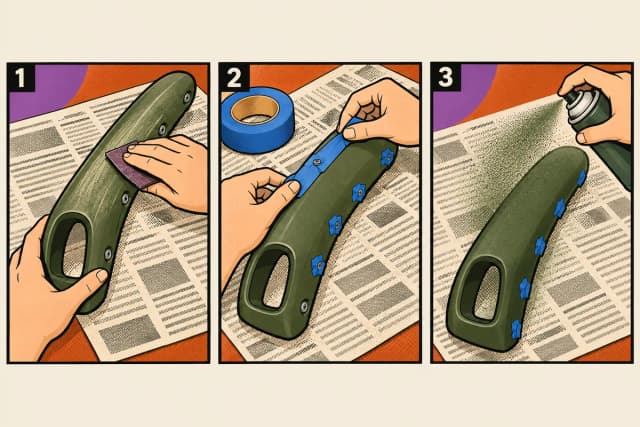
- How Temperature Affects Your Crossbow: 4 Parts to Check in the ColdHunters report crossbows shooting normally from 80°F down to −20°F, so the cold isn’t the real problem. Thick lube, dry strings and a hot parked car are. Here are 4 parts to check before any extreme-weather hunt.
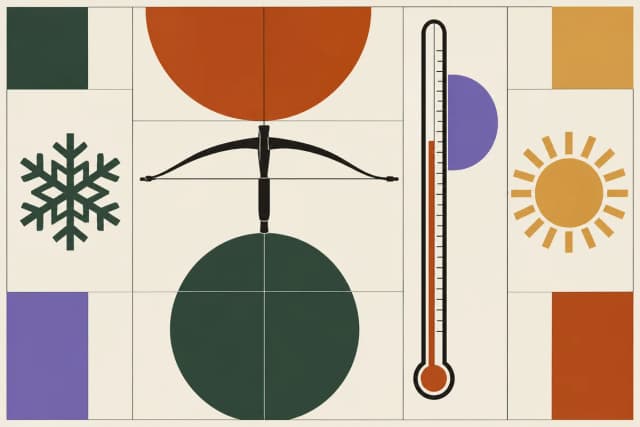
- How to Load a Crossbow Bolt Safely in 8 Steps and Unload It RightOne thumb above the rail is all it takes to get hurt by a crossbow string. Load a crossbow bolt safely in 8 steps, from cocking and seating the nock to where your fingers go, plus how to unload without a dry fire that can crack a limb.
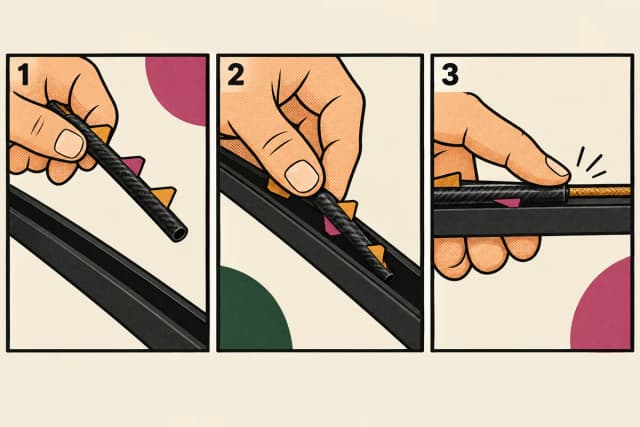
// FAQ
Questions I get a lot
Short answers to what beginners ask me about archery & techniques.
How long does it take to get good at archery?
Most beginners see tight groups at 10–15 yards within two to three months of shooting once or twice a week. Consistency matters more than session length.
Should I learn barebow or with a sight?
Barebow. It keeps things simple and makes you fix your form instead of hiding it. I shoot barebow; add a sight later if you want target-style precision at distance.
What is the most common beginner mistake?
Starting with too much draw weight. It wrecks your form before you have any. Go lighter than you think.
Do I need a coach?
Take one lesson early. It catches habits that take months to unlearn, and many ranges offer cheap intro sessions.
How many arrows should I shoot per session?
Quality beats quantity. 30 to 60 focused arrows is plenty for a beginner. Stop when your form starts to slip.
Can I practice without going to a range?
Yes. Blank-bale work and form drills with a resistance band at home build the same habits, safely.
Should I shoot with both eyes open?
Yes. It helps with depth and balance. If your off eye takes over, squint it or use a small patch until your form settles.
Why do my arrows hit in different spots every time?
Usually an inconsistent anchor or a changing grip. Fix the anchor first, then relax your bow hand.
How far should I stand from the target as a beginner?
Start at 5 to 10 yards. Move back only when most arrows land in a paper plate.
Is it normal for my arm to get sore?
Mild soreness in your back and shoulders is normal early on. Sharp pain in the elbow or wrist means stop and check your form or draw weight.
// Follow
Follow the ride on Instagram.
// Free printable
Get the range log I actually use.
Seventeen printable pages: session log, score tracker, a 30-day drill challenge, a bow maintenance card, a first-season checklist and more. Join the monthly email and it lands right away.