Bows & Parts
Recurves, longbows, compounds and crossbows, and every part on them, explained in plain words.
// Overview
Recurve or crossbow: what to shoot, and how it all fits together
Your first bow is the biggest decision you’ll make in archery, and the easiest to get wrong. I know because my first bow was 45 lb: the first time, I got maybe three shots in before I was done. This page is what I wish I’d read first.
Start by deciding between a recurve or a compound. For most beginners it’s a recurve, and specifically a takedown recurve so you can swap to heavier limbs later instead of buying a new bow.
Then learn the parts. Knowing the riser, limbs and shelf makes every review and shop conversation easier, and small settings like brace height make a bigger difference than you’d think.
Hunting with a crossbow instead? Learn the parts of a crossbow first, then choose your first crossbow and the bolts to shoot from it.
Free printable
First-bow buying checklist
Every question to ask before you buy: draw length, weight, bow length, takedown or not, and what to skip. It’s a page of the free range log.
// All posts
Everything in Bows & Parts
Showing all 22 posts, newest firstShowing 4 posts for recurve shooters, newest firstShowing 1 post for longbow shooters, newest firstShowing 1 post for compound shooters, newest firstShowing 19 posts for crossbow shooters, newest first
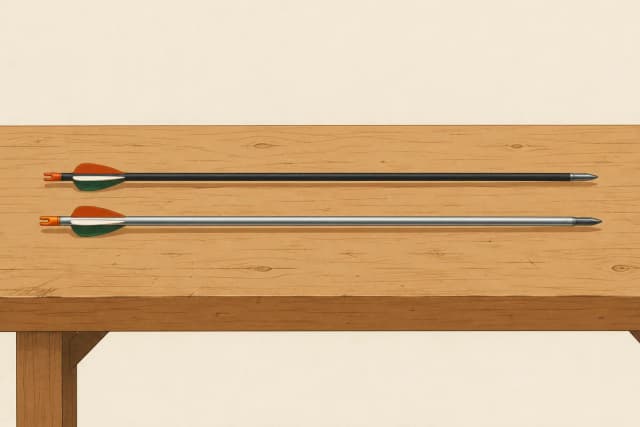
- Carbon or Aluminum Crossbow Bolts? 5 Differences and the Better PickAn aluminum bolt that bends once is usually done for good. Here are the 5 differences between carbon and aluminum crossbow bolts, from .001″ straightness and weight to what a bad hit does to each, and which one to buy for practice and hunting.
- How Heavy Is a Crossbow? 10 Real Models, From 2.5 to 9.7 PoundsMost crossbow weights leave out the scope, and that can add over 2 lb. Here are real weights for 10 crossbows by type, from a 2.5 lb pistol to a 9.7 lb scoped flagship, plus how heavy is too heavy for a treestand, a blind or a long walk in.
- How to Choose Your First Crossbow: 7 Checks Before You BuyMost first crossbows are bought on speed, and that’s the spec that matters least inside 35 yards. Run these 7 checks instead, from your state’s rules and how you’ll cock it to the width and weight, and see which crossbow type fits your hunt.
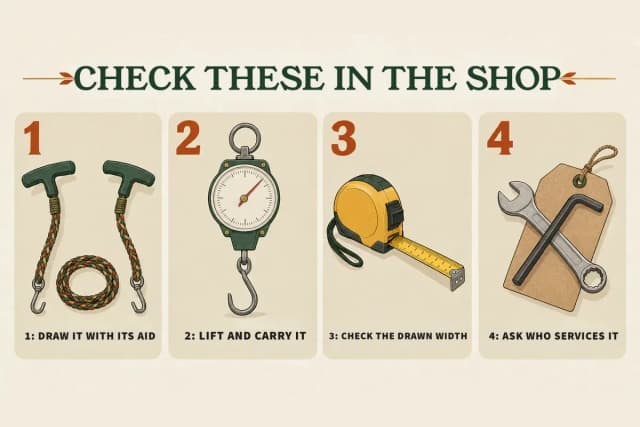
- The 3 Best Compound Crossbows for Beginners, by Cocking EffortA 435 fps crossbow won’t help you if you can’t cock it at the end of a cold sit. Here are 3 compound crossbows a beginner can live with, from a 6 lb Barnett to a TenPoint with a built-in crank, plus the 5 checks to make before you buy.
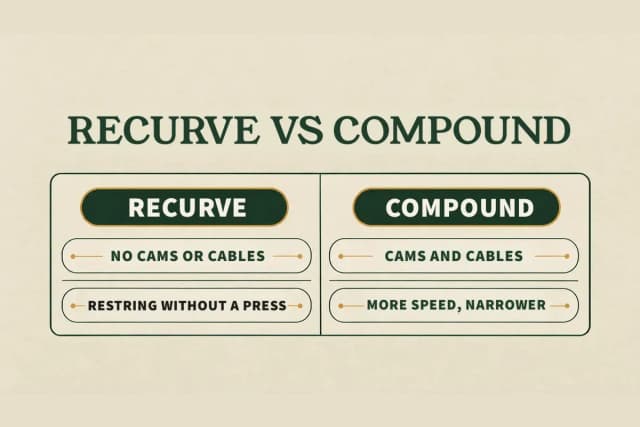
- How to Choose Your First Recurve Bow: 8 Checks Before You BuyMost first recurves are bought too heavy, and it wrecks form for months. Learn how to pick draw weight, bow length and takedown or one-piece, with a size chart by draw length and 8 checks to run before you buy.
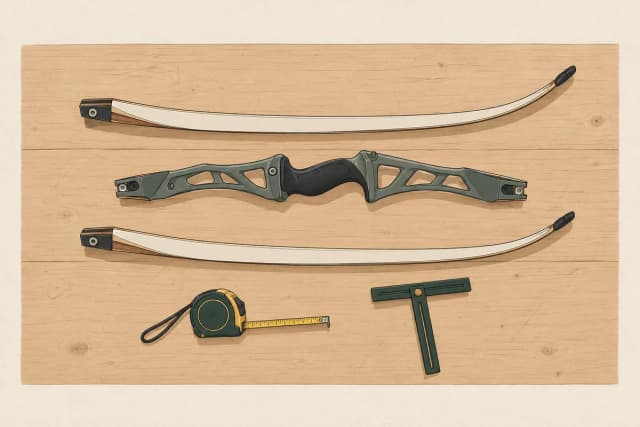
- My Sanlida Royal X8 After 2 Years: Why I’d Make It Your Second BowA 45 lb first bow ended day one after 3 shots. See how the Sanlida Royal X8 one-piece shoots at 25 and 50 yards, what held up over 2 years, why the bundled arrows failed, and the draw weight to order instead.
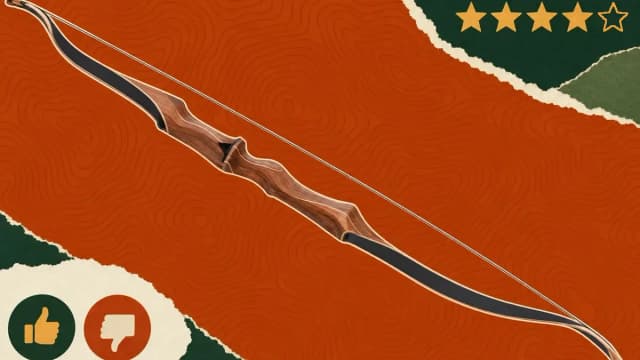
- The 5 Best Recurve Bows for Beginners, and Why I’d Start LighterBuy a first recurve too heavy and you fight it for months. These 5 picks, from the Samick Sage to a Hoyt ILF riser, come with checked specs, the length and draw weight that fit you, and what to look for before buying.
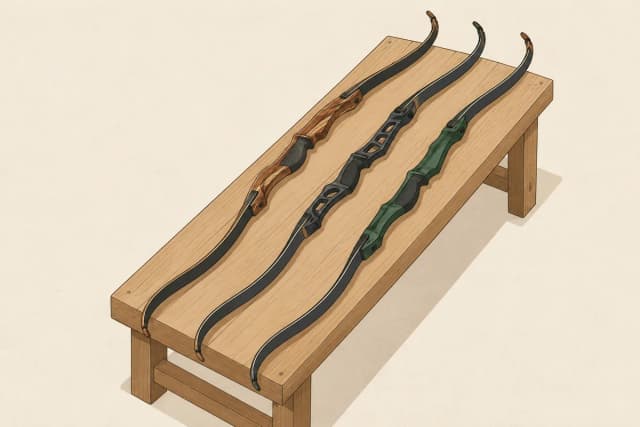
- Crossbow Strings: 5 Materials Compared and When to Replace YoursA worn crossbow string can snap at full draw, and the fix starts with the right material. Compare 5 string materials, from Mercury 2 to polyester B55, and learn the 2-year replacement rule and how to wax without gumming the trigger.
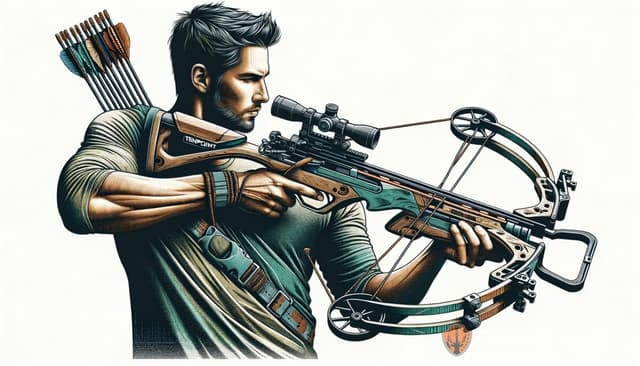
- Crossbow Ballistics: The 5 Parts Behind Speed, Energy and AccuracyA 400-grain bolt at 400 fps carries about 142 ft-lb, several times what a deer needs. Learn the 5 crossbow parts that turn draw weight into speed and energy, with a kinetic energy chart and the scope setup that makes it land.
- How to Fit a Sling to Your Crossbow in 5 Steps for a Quiet CarryHalf a mile into the woods, a crossbow in your hands feels twice as heavy. Fit a two-point sling in 5 steps, from finding the mounts to taping loose ends, and walk in quiet with both hands free and a faster shot ready.
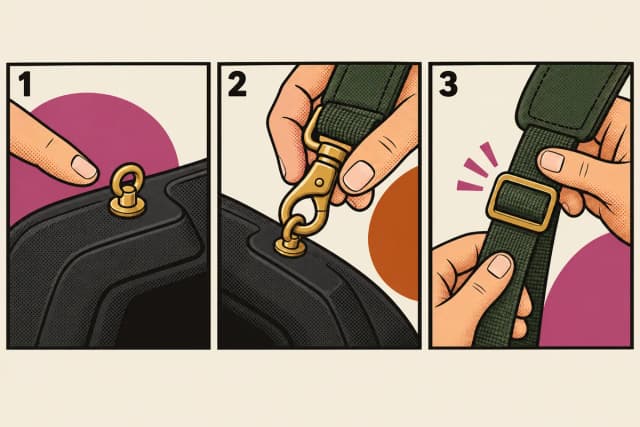
- The 12 Parts of a Crossbow, Explained for First-Time OwnersRail, latch, retainer, prod: crossbow manuals assume you know 12 parts by name. Learn what each one does, the old names you’ll still see, and the 6-step maintenance check that keeps your first crossbow safe and accurate all season.
- How to Find the FOC of Your Crossbow Bolts in 5 StepsFive minutes and a tape measure will tell you if your crossbow bolts are balanced for hunting. Follow 5 simple steps, use the FOC formula with a worked 20-inch example and see why Easton recommends 10–15% for hunting arrows.
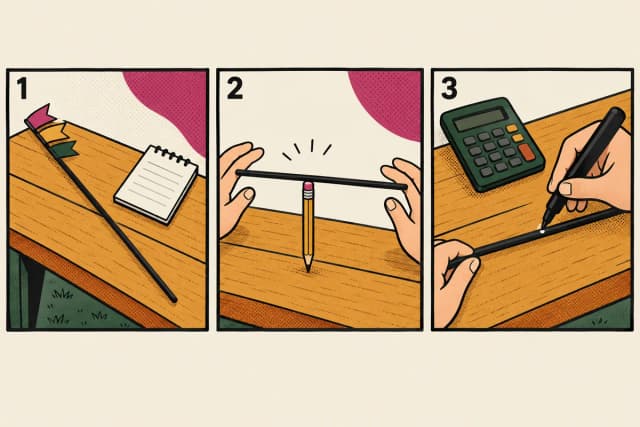
- Can You Turn a Crossbow Into a Fishing Crossbow? Yes, With 3 PartsThat deer crossbow can shoot carp all summer with just 3 add-ons: fish bolts, a reel and braided line. See how to set it up safely, how to aim low with the 10–4 refraction rule, and which states allow crossbows for bowfishing.
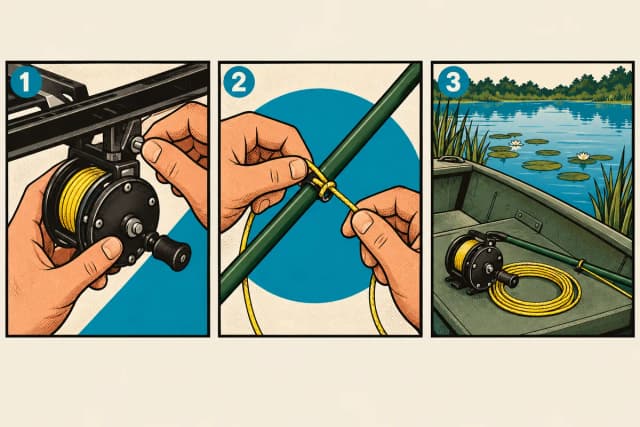
- How Long Does a Crossbow Last? What Wears Out First, Part by PartA crossbow has no expiry date, but its string and cables do: about every 2 years. Find out what wears out first, the maintenance schedule that keeps a crossbow shooting for many seasons, and the 3 mistakes that kill one early.
- The Best Crossbow Bolt Weight for Deer: Why 400–459 Grains Suits MostToo light a bolt can damage your crossbow, and too heavy costs you range. Here’s why a 400–459 grain bolt suits most deer hunters, the minimum weights makers set, and a 5-step method to pick the right bolt weight for your crossbow.
- Crossbow or Bow for Survival? 5 Factors That Decide Which Feeds YouA crossbow makes a beginner accurate fast, but a simple bow is easier to fix and feed with arrows. Compare 5 survival factors, from learning curve to follow-up shots, and see which tool fits the practice time you really have.
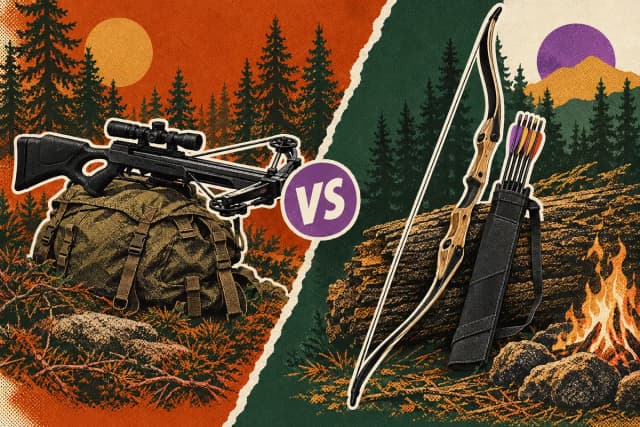
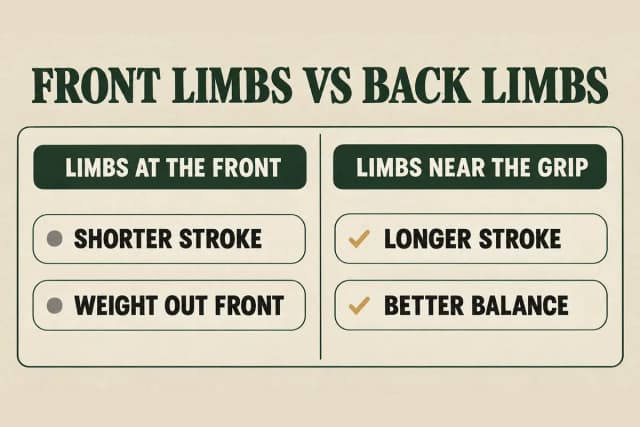
- The 3 Best Reverse-Draw Crossbows for Blinds and TreestandsA reverse-draw crossbow packs a longer power stroke into a shorter, better-balanced bow. Compare 3 reverse-draw picks, from a 410 fps TenPoint to a pistol-size Ballista, plus the 5 checks to make before you spend the money on one.
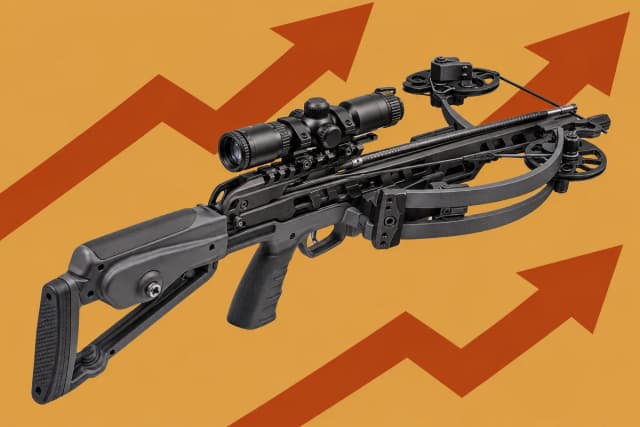
- The 3 Best Crossbows for Beginners, Plus the Specs That MatterToo heavy to carry, too hard to cock or too wide for the blind: the wrong crossbow ruins a season. Compare 3 beginner picks by draw style, rated speed and weight, plus the 8 specs that matter before you buy.
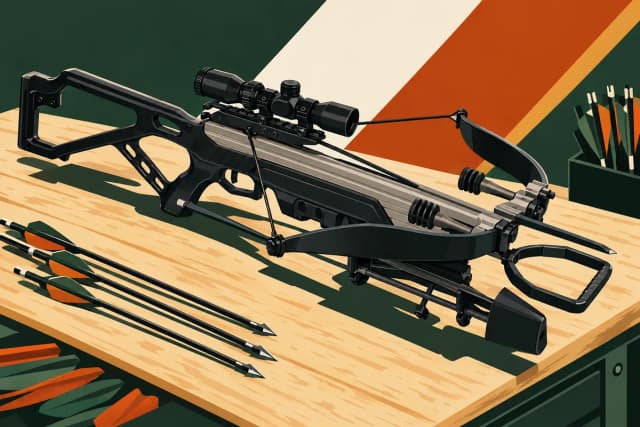
- The 3 Best Crossbow Broadheads: Fixed-Blade and Mechanical PicksA dull or mismatched broadhead turns a good shot into a lost deer. Compare 3 crossbow broadheads (G5 Montec, G5 Megameat, Grim Reaper Carni-FOUR) and the 5 checks to make before buying your first pack for the season.
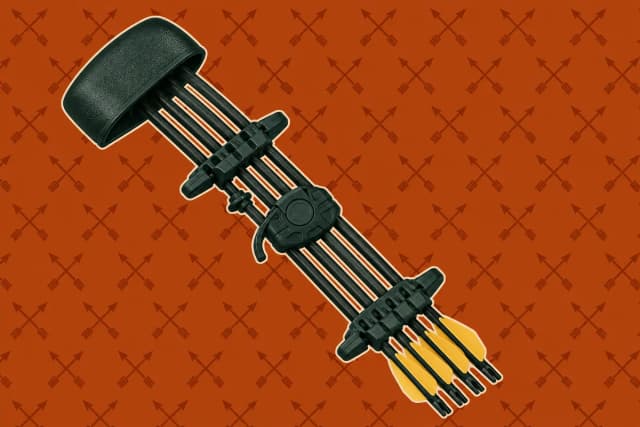
- The 3 Best Crossbow Bolts for Practice and Deer HuntingA bolt that’s too light can stress your crossbow like a dry fire. Here are 3 crossbow bolts worth a look, from a 445-grain TenPoint to a budget 12-pack, plus the length, weight and nock checks to do before you buy.
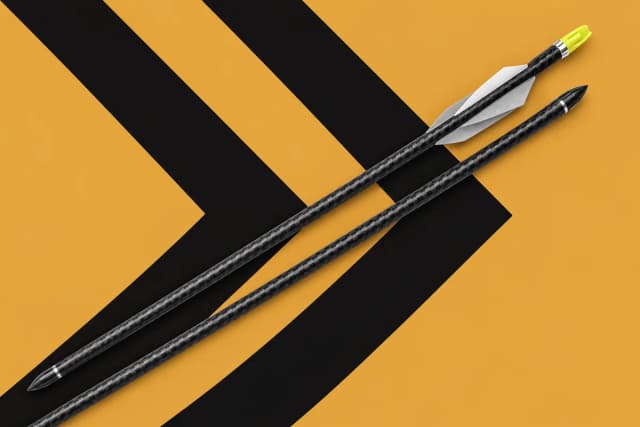
- The 3 Best Recurve Crossbows and When a Recurve Beats a CompoundA recurve crossbow has no cams or cables, so there’s less to break and you can restring it without a press. Compare 3 picks from Excalibur and Barnett by speed, draw weight and weight, plus the 6 checks to make before you buy one.
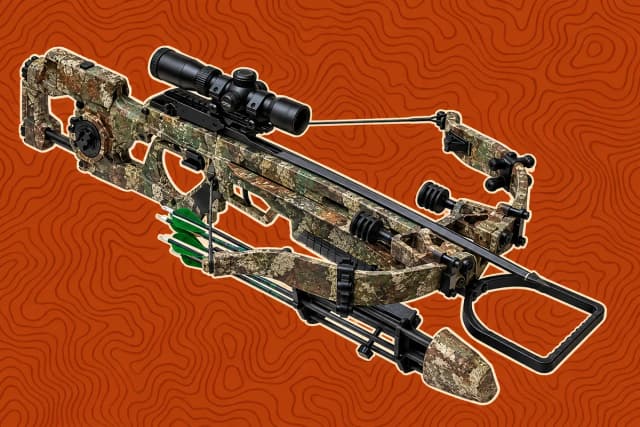
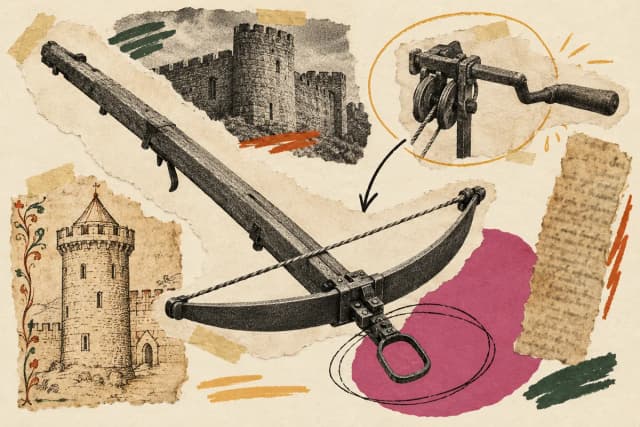
- What Is an Arbalest? The Medieval Steel Crossbow and Its 5 Key PartsAn arbalest was so strong it took a crank to draw. Learn what made this steel-prod medieval crossbow different, the 4 ways crossbowmen spanned it, why Genoese crossbowmen lost at Crécy, and how it led to the crossbow you shoot today.
// FAQ
Questions I get a lot
Short answers to what beginners ask me about bows & parts.
Recurve or compound for a first bow?
A takedown recurve. It’s cheaper, simpler and teaches form. A compound is easier to hold and aim, but start on the recurve.
What draw weight should a beginner use?
Most adults start between 20 and 30 lb on a recurve. You should be able to hold full draw for eight seconds without shaking.
What is a takedown bow?
A bow whose limbs come off the riser. You can travel with it and swap to heavier limbs later instead of buying a new bow.
Is a takedown recurve really better for beginners?
Yes. You can swap to heavier limbs as you get stronger instead of buying a whole new bow.
Can I buy a used bow?
Yes, but check the limbs for cracks or twist and ask for the original draw weight. Avoid anything stored strung for years.
What does ILF mean?
International Limb Fitting. It lets limbs from one brand fit another brand’s riser, so upgrades are easier.
How do I know my draw length?
Measure your arm span in inches and divide by 2.5. A pro shop can check it in a minute.
Left- or right-handed bow?
Go by your dominant eye, not your writing hand. Do the eye test before you buy.

// Follow
Follow the ride on Instagram.
// Free printable
Get the range log I actually use.
Seventeen printable pages: session log, score tracker, a 30-day drill challenge, a bow maintenance card, a first-season checklist and more. Join the monthly email and it lands right away.