Archery starter kit by budget
Three recurve kits for your first bow, named by budget: Tight budget, Most beginners and Buy once. Each has the bow, protection, a stringer and a target, and the money goes where it matters: arrows matched to you.
Shopping Black Friday? See the deals.
// Three kits
Pick the kit that fits your budget
Every kit is built on a takedown recurve at a light draw weight, because too much weight is the most common beginner regret. More budget doesn’t buy a fancier bow; it buys gear you won’t replace.
Kit 1
Tight budget
You want to find out if you love archery before you spend real money.
- A complete recurve kit, arrows in the box
- Arm guard, finger tab and a stringer
- A bag target for the backyard
Kit 2My pick
Most beginners
You’ve decided you’re doing this and want a bow you can grow with.
- A proven takedown: heavier limbs later, same riser
- Arrows matched to you instead of kit arrows
- Adds a hip quiver, a bow square and string wax
Kit 3
Buy once
You’d rather buy gear once than replace it in a year.
- A takedown with the widest range of limb weights
- A bigger target you won’t outgrow
- Spare points, finger savers, and money left for a lesson
I don’t recommend necessarily getting a bow online, to be honest, even though I have an affiliate link for a bunch of this stuff. I actually think that you should go to a shop and get it fitted properly.
// Kit 1 · Tight budget
Everything you need to start shooting
The fewest things that make archery safe and fun at home. The kit’s arrows will do for the first weeks; when you replace them, buy arrows matched to your draw.

A full recurve kit with arrows, one of the few budget kits forum archers rate as a proper bow. Choose 62″ or longer for an adult, and a light draw weight.
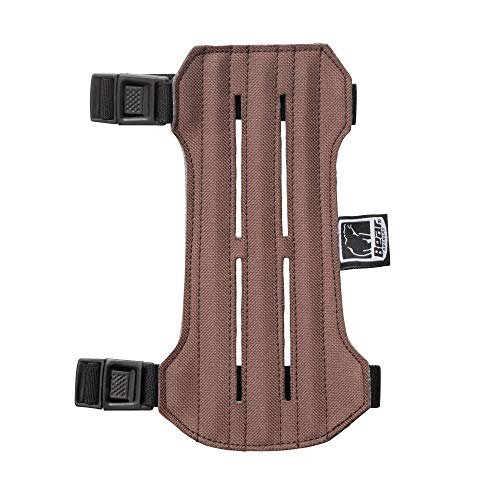
String slap is the most common beginner bruise. Wear one from the first shot.

Protects your fingers and gives a cleaner release than bare skin. Pick your hand and size.

The safe way to string and unstring a recurve without twisting the limbs.

A layered bag target that stops field points and pulls easily. Put a backstop behind it.
// Kit 2 · Most beginners
The kit I’d tell a friend to buy
A takedown recurve you won’t outgrow, arrows that fit you, and the small tools that keep a bow shooting well.

The takedown most beginner lists start with. Start at 25–35 lb and buy heavier limbs later; the riser stays.
String slap is the most common beginner bruise. Wear one from the first shot.
Protects your fingers and gives a cleaner release than bare skin. Pick your hand and size.
The safe way to string and unstring a recurve without twisting the limbs.
A layered bag target that stops field points and pulls easily. Put a backstop behind it.

The quiver I’ve worn since August 2024: arrows at your side and a pocket for the rest of your kit.

To check brace height and set a nocking point, the two settings that make a recurve quiet and accurate.

A little every few sessions keeps the string from fraying.
// Free printable
Log your first 30 days of shooting.
The free range log is seventeen printable pages: a session log, a score tracker, a 30-day drill challenge, a bow maintenance card and a first-season checklist. Join the monthly email and it lands right away.
// Kit 3 · Buy once
Gear you won’t replace
The extra budget doesn’t go on a fancier bow: as a beginner you won’t feel the difference yet. It goes on the things that wear out or get outgrown, and on an hour with a coach or a shop fitting.

Limbs from 20 to 60 lb on one riser (25 to 55 lb on the 64″ XL for long draws), and a stringer in the box.
String slap is the most common beginner bruise. Wear one from the first shot.
Protects your fingers and gives a cleaner release than bare skin. Pick your hand and size.
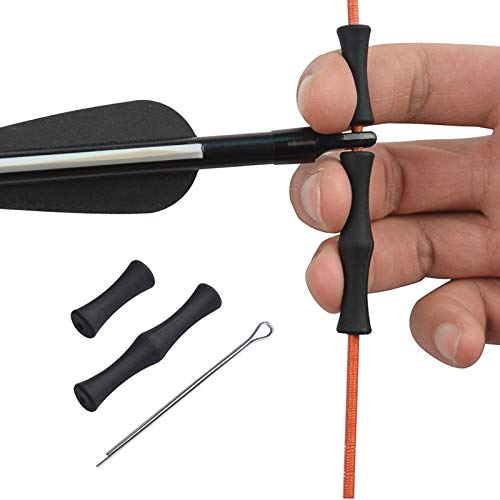
Rubber stops on the string around the arrow. A cheap second option if a tab never feels right.
The safe way to string and unstring a recurve without twisting the limbs.

A bigger, weatherproof bag: more room for misses while you learn, and it still works when you move up in weight.
The quiver I’ve worn since August 2024: arrows at your side and a pocket for the rest of your kit.
To check brace height and set a nocking point, the two settings that make a recurve quiet and accurate.
A little every few sessions keeps the string from fraying.

The point weight I shoot. Arrows get lost and points bend: keep spares in the quiver pocket.
// FAQ
Starter kit questions
What beginners ask before they buy their first kit.
What does a beginner archery kit need?
A bow at a light draw weight, arrows matched to your draw, an arm guard, a finger tab or finger savers, a bow stringer and a target with a backstop. A quiver, a bow square and string wax come next.
Should I buy a recurve bow kit or the parts separately?
A good kit is fine on a tight budget. Otherwise buy a takedown on its own and arrows matched to you: kit arrows are often the wrong spine and length.
What draw weight should my first recurve be?
Around 25–35 lb at your draw length for most adults, lighter for kids. Pick a weight you can pull and hold for three seconds; the draw weight calculator gives you a number.
Is this kit for compound bows or crossbows?
No, it’s a recurve kit. A compound is best bought and fitted at a shop, and a crossbow needs bolts, a rated target and a case. The bow quiz builds the right kit for either.
Why don’t you list prices or totals?
Amazon prices change all the time and options cost different amounts, so a total would be wrong by the time you read it. The kits are named by budget; click through to see today’s prices.
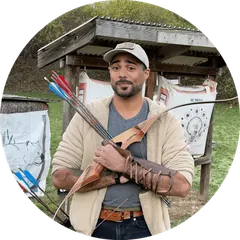
// Follow
Follow the ride on Instagram.
// Free printable
Get the range log I actually use.
Seventeen printable pages: session log, score tracker, a 30-day drill challenge, a bow maintenance card, a first-season checklist and more. Join the monthly email and it lands right away.